The Unwavering Significance: Why 10 Million Indians in the Persian Gulf Are a Top Priority
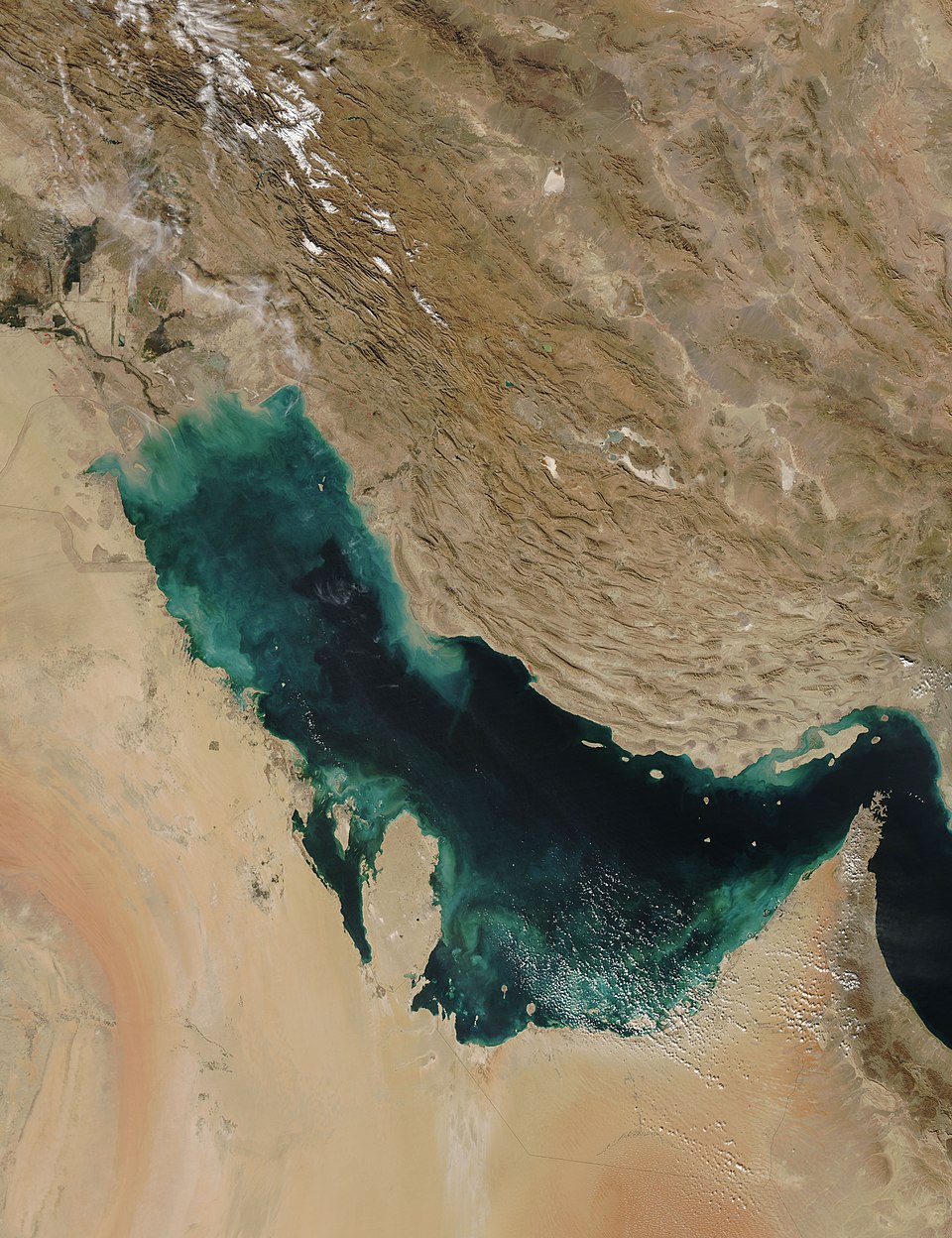
The Persian Gulf region, a vibrant hub of economic activity and cultural exchange, is home to one of the world's most substantial expatriate communities: an estimated 8.5 to 10 million
Indians in the Persian Gulf. This colossal diaspora is predominantly spread across the United Arab Emirates, Saudi Arabia, Kuwait, Qatar, Oman, and Bahrain, forming an indispensable part of both the host nations' fabric and India's strategic interests. The sheer scale and multifaceted contributions of these individuals elevate their welfare and engagement to a paramount priority for the Indian government, reflecting deep economic, geopolitical, and humanitarian considerations. Understanding why this population is so crucial involves delving into their profound impact on remittances, bilateral relations, and the intricate dynamics of the global workforce.
Economic Pillars: Driving Growth in Two Directions
The economic contributions of the
Indians in the Persian Gulf are nothing short of monumental, impacting both their homeland and their adopted countries. For India, the financial inflow generated by this diaspora is a lifeline.
*
Remittances Powerhouse: The Gulf nations are consistently the largest source of remittances for India. Billions of dollars are sent back annually, serving as a crucial booster for India's foreign exchange reserves. This capital infusion supports countless families, finances education, healthcare, and housing, and significantly contributes to poverty alleviation and rural development across various Indian states, particularly Kerala, Uttar Pradesh, Punjab, and Andhra Pradesh. This steady stream of funds acts as a robust economic stabilizer, cushioning India against global economic volatilities.
*
Workforce and Development in the Gulf: In their host countries, Indian expatriates are the backbone of diverse industries. From the colossal construction projects shaping modern skylines to the burgeoning healthcare, retail, hospitality, and IT sectors, their presence is pervasive. They fill critical roles across the skill spectrum, from highly qualified professionals like doctors, engineers, and IT specialists, to skilled technicians and semi-skilled laborers. Their dedication and hard work have been instrumental in the rapid economic diversification and infrastructure development witnessed across the GCC (Gulf Cooperation Council) states over the past decades. The symbiotic relationship ensures mutual economic prosperity, making the sustained presence and well-being of
the 10 Million Indian Diaspora: Life and Work in the Persian Gulf a win-win scenario.
Beyond direct employment and remittances, this vibrant community also fosters stronger trade and investment ties between India and the Gulf nations. Indian businesses thrive in the region, and Gulf investments find their way into India, creating a dynamic economic corridor strengthened by human connection.
Strategic Significance: A Diplomatic Bridge and Geopolitical Anchor
The presence of such a vast Indian diaspora naturally translates into significant geopolitical and diplomatic leverage. For India, the safety and security of its citizens abroad are always a prime concern, and this is amplified tenfold in the Gulf.
*
Diplomatic Engagement: The sheer number of
Indians in the Persian Gulf necessitates constant, robust diplomatic engagement between India and the Gulf states. India's foreign policy towards the region is deeply intertwined with the welfare of its citizens. This includes ensuring fair labor practices, resolving legal disputes, providing consular services, and coordinating during crises. The Indian government’s proactive approach, often involving high-level visits and bilateral agreements, underscores this priority.
*
Crisis Management and Repatriation: History is replete with instances where India has had to undertake massive operations to protect and evacuate its citizens from the Gulf during periods of conflict or instability, such as the 1990 Kuwait War or the more recent situations in Yemen. These operations are a testament to the government's commitment and the logistical challenge posed by such a large diaspora. The COVID-19 pandemic further highlighted this, with India undertaking the massive Vande Bharat Mission to bring back millions of stranded citizens from across the globe, with a significant proportion originating from the Gulf.
*
"Look West" Policy: The Gulf region is a crucial component of India's "Look West" policy, aiming to enhance economic and security cooperation. The diaspora acts as a cultural and social bridge, fostering goodwill and understanding that underpins deeper strategic partnerships in energy security, counter-terrorism, and regional stability. This makes the
Largest Indian Expat Community: Living in the Gulf Nations not just an economic asset but a strategic one.
Welfare and Challenges: India's Proactive Approach to Diaspora Care
While the economic and strategic advantages are clear, the welfare of
Indians in the Persian Gulf also presents unique challenges that India actively addresses. These include issues ranging from labor rights and contractual disputes to cultural integration and access to amenities.
*
Common Challenges Faced: Many expatriates, particularly those in the semi-skilled and unskilled categories, face issues such as exploitative recruitment practices, delayed wages, passport confiscation, poor living conditions, and difficulties with legal processes. Family separation, cultural adjustment, and access to affordable education and healthcare for their families are also significant concerns.
*
Government Initiatives for Welfare: Recognizing these vulnerabilities, the Indian government has implemented several initiatives:
*
Indian Community Welfare Fund (ICWF): Provides emergency assistance to Indian nationals in distress, covering expenses for legal aid, medical care, repatriation, and accommodation.
*
e-Migrate System: Aims to streamline the emigration process, protect workers from exploitation by unscrupulous recruiting agents, and ensure fair employment contracts.
*
Pravasi Bharatiya Divas: An annual event to connect with and honor the Indian diaspora, providing a platform for dialogue on their concerns and contributions.
*
24/7 Helplines and Consular Services: Indian embassies and consulates in the Gulf operate robust helplines and grievance redressal mechanisms to assist citizens.
*
Skill Development and Pre-Departure Orientation: Programs designed to equip prospective migrants with necessary skills and cultural awareness to ease their transition and minimize risks.
*
Bilateral Labour Agreements: India actively pursues and strengthens labor agreements with Gulf nations to ensure better working conditions and protections for its citizens.
These measures underscore India's deep commitment to safeguarding its citizens abroad, recognizing them not just as economic contributors but as valuable national assets whose well-being is intrinsically linked to India's global standing.
Conclusion: An Indispensable Human Capital
The 10 million
Indians in the Persian Gulf represent a dynamic force of human capital, deeply interwoven into the economic, social, and political fabric of both their host nations and India. Their contributions, spanning colossal remittances, vital workforce roles, and strong diplomatic ties, elevate their status to an unquestionable top priority for the Indian government. From ensuring their economic prosperity and safeguarding their rights to providing consular assistance and facilitating crisis evacuations, India's proactive engagement with its Gulf diaspora reflects a comprehensive approach to global citizenship and national interest. As the ties between India and the Gulf continue to strengthen, the welfare, empowerment, and sustained presence of this indispensable community will remain a cornerstone of this enduring relationship.