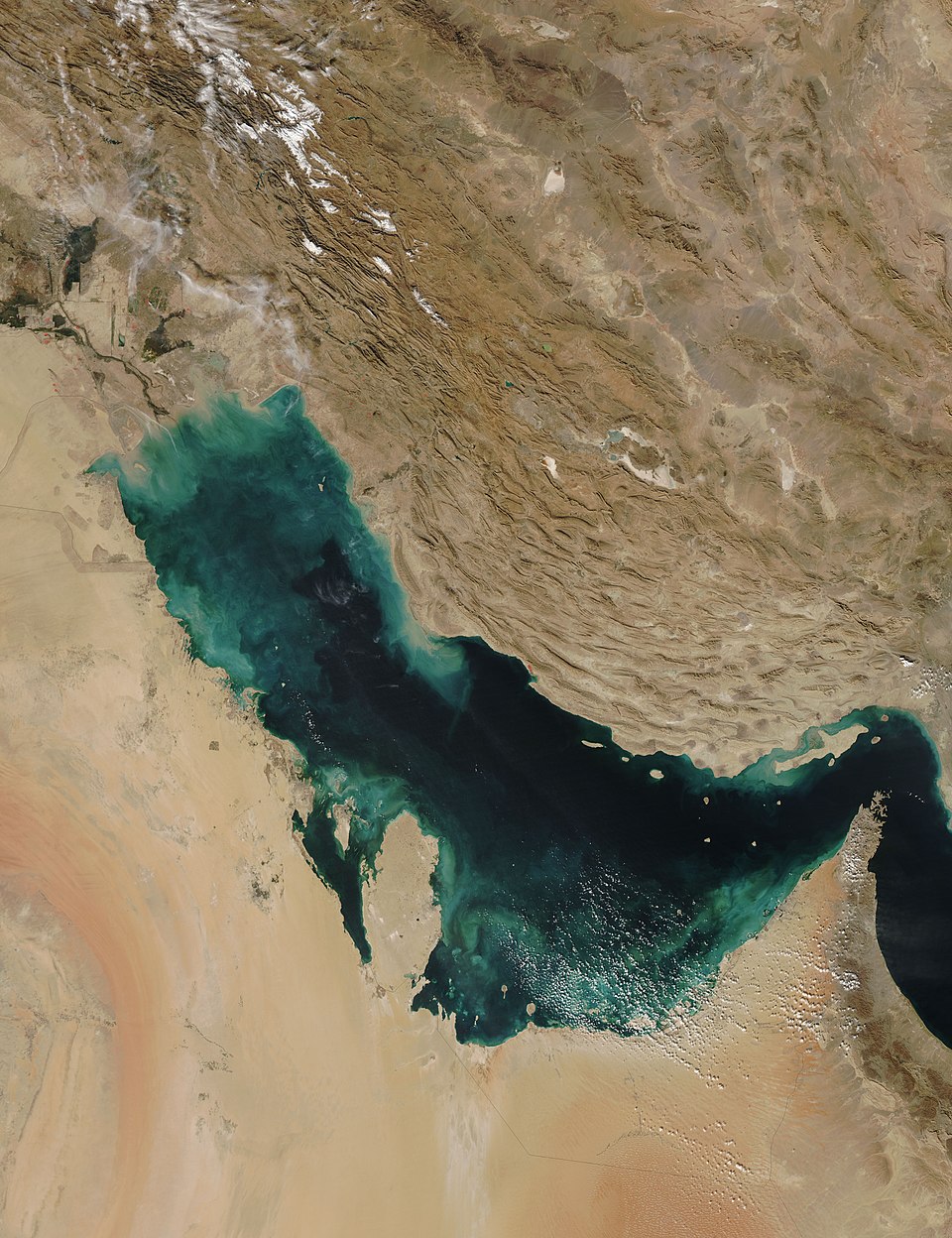
The 10 Million Indian Diaspora: Life and Work in the Persian Gulf
The Persian Gulf region has become a vibrant second home for a staggering number of Indians, with estimates pointing to a community of around 8.5 to 10 million individuals living and working across its dynamic landscapes. This vast diaspora, primarily concentrated in nations like the UAE, Saudi Arabia, Kuwait, Qatar, Oman, and Bahrain, represents one of the largest expatriate communities globally. Far from a homogenous group, these
Indians in the Persian Gulf come from diverse backgrounds, educational levels, and professional fields, collectively contributing significantly to both their host countries and their homeland. Their journey is a testament to aspiration, hard work, and the enduring quest for better opportunities.
A Journey of Opportunity: Why Indians Choose the Persian Gulf
The magnetic pull of the Persian Gulf for Indian migrants is multifaceted, rooted deeply in economic prospects, geographical proximity, and historical ties. For generations, the region has offered a compelling proposition, drawing individuals seeking to uplift their economic status and provide a brighter future for their families back in India.
Economic Lure and Diverse Opportunities
The primary driver remains the promise of higher wages and often tax-free income, a stark contrast to the economic realities many face in India. The rapid economic development and ambitious infrastructure projects across the Gulf nations have created an insatiable demand for labor across virtually every sector. From the construction of iconic skyscrapers and sprawling metropolitan areas to the intricate operations of the oil and gas industry, Indians have been at the forefront.
Beyond blue-collar roles, the burgeoning service sectors – including healthcare, hospitality, retail, education, and finance – have opened doors for a vast array of skilled professionals. Doctors, engineers, IT specialists, teachers, and business professionals find thriving careers in a dynamic, international environment. This diversity of job roles means that whether an individual is a skilled craftsman, a seasoned engineer, or a budding entrepreneur, there's often a niche for them within the Gulf's vibrant economies.
Proximity and Historical Ties
Geographical closeness plays a crucial role. The short flight duration and relatively affordable travel make it easier for expatriates to maintain strong connections with their families in India, facilitating frequent visits and fostering a sense of continuity. Furthermore, historical trade routes and cultural exchanges between India and the Gulf predate modern borders, laying a foundation of familiarity and mutual respect that eases the transition for new arrivals. This long-standing relationship has created established networks and support systems, making the Persian Gulf a natural choice for those looking to work abroad.
Life and Community: Navigating Culture and Daily Realities
Life for
10 million Indians in the Persian Gulf is as varied as the individuals themselves. While the pursuit of economic advancement is a common thread, their daily realities, living conditions, and experiences are shaped by their professional roles, financial standing, and the specific country they reside in.
Diverse Living Standards
For many laborers in sectors like construction or manufacturing, living conditions might involve shared accommodations in designated labor camps, often basic but functional. These communities, while sometimes challenging, foster strong bonds among residents, often hailing from similar regions in India. On the other end of the spectrum, highly skilled professionals and their families enjoy modern apartments, access to international schools, and a lifestyle comparable to, or even exceeding, what they might experience in major Indian cities. The Gulf nations have invested heavily in creating world-class infrastructure and amenities, which cater to a diverse expatriate population.
Cultural Preservation and Community Spirit
Despite being away from home, the Indian diaspora in the Gulf fiercely preserves its cultural identity. Indian community centers, associations, and religious institutions are ubiquitous, offering a slice of home away from home. Festivals like Diwali, Eid, Onam, and Christmas are celebrated with immense fervor, often on a grand scale, bringing people together and reinforcing community bonds. Indian restaurants, grocery stores, and even schools following Indian curricula cater to the specific needs and tastes of the community, creating familiar environments amidst a foreign land.
Challenges and Adaptations
While opportunities abound, life in the Gulf is not without its challenges. Adapting to new legal frameworks, varying labor laws, and different social norms requires flexibility and understanding. For some, separation from family, especially for bachelors, can lead to feelings of isolation. Language barriers, though less pronounced with English being widely spoken in business, can still pose issues in daily interactions outside the workplace. The hot climate, especially during summer months, is another significant adaptation. However, the resilience and adaptability of Indians have allowed them to thrive, building vibrant communities and forging new identities while retaining their roots.
The Economic Backbone: Indian Contribution to Gulf Nations
The sheer number of
Indians in the Persian Gulf underscores their immense economic significance, both for the host nations and for India itself. They are not merely residents but active participants in the economic engines of the region.
Driving Growth and Development
Indian expatriates form a critical component of the workforce across all sectors, from the foundational labor that builds cities to the intellectual capital that drives innovation. Their dedication, skill, and strong work ethic are widely acknowledged and contribute directly to the economic prosperity and development goals of Gulf nations. They fill crucial labor gaps, bringing expertise and manpower essential for ambitious national visions.
The Remittance Lifeline
One of the most profound impacts of the Indian diaspora in the Gulf is the massive flow of remittances back to India. These funds, sent by workers to their families, constitute a substantial portion of India's foreign exchange reserves, directly supporting countless households and fueling local economies, particularly in states like Kerala, Punjab, and Uttar Pradesh. This financial lifeline not only improves living standards for recipients but also contributes to national development through increased savings and investment. The Indian government consistently highlights the strategic importance of this community, recognizing its vital role in India's economy and its diplomatic relations with Gulf states.
Navigating Challenges and Embracing the Future
The journey of the Indian diaspora in the Persian Gulf is an evolving narrative. As Gulf economies diversify away from oil, and as labor markets mature, the nature of opportunities is also shifting. There is an increasing demand for specialized skills, digital expertise, and knowledge-based professionals. This trend presents both new opportunities and challenges for the Indian community, requiring continuous upskilling and adaptation.
Indian diplomatic missions in the region play a crucial role in safeguarding the welfare of their citizens, providing consular services, and mediating labor disputes. Bilateral relations between India and the Gulf countries are robust, often prioritizing the well-being and contributions of the Indian community. As geopolitical landscapes shift and global economic forces exert influence, the continued partnership and mutual respect between these regions will be paramount for the prosperity of the Indian diaspora.
Conclusion
The 10 million
Indians in the Persian Gulf represent a remarkable story of migration, ambition, and global interdependence. From contributing to mega-projects that define modern skylines to enriching the cultural fabric of their adopted homes, their impact is profound and far-reaching. They are not just a workforce; they are vibrant communities, instrumental economic partners, and crucial cultural bridges between India and the Middle East. As both regions continue to evolve, the Indian diaspora in the Persian Gulf will undoubtedly remain a cornerstone of this dynamic and mutually beneficial relationship, continually adapting, thriving, and building a future shaped by their invaluable contributions.